Working with amazing people while being able to make a genuine difference to people’s lives
I truly enjoyed my time at RNID
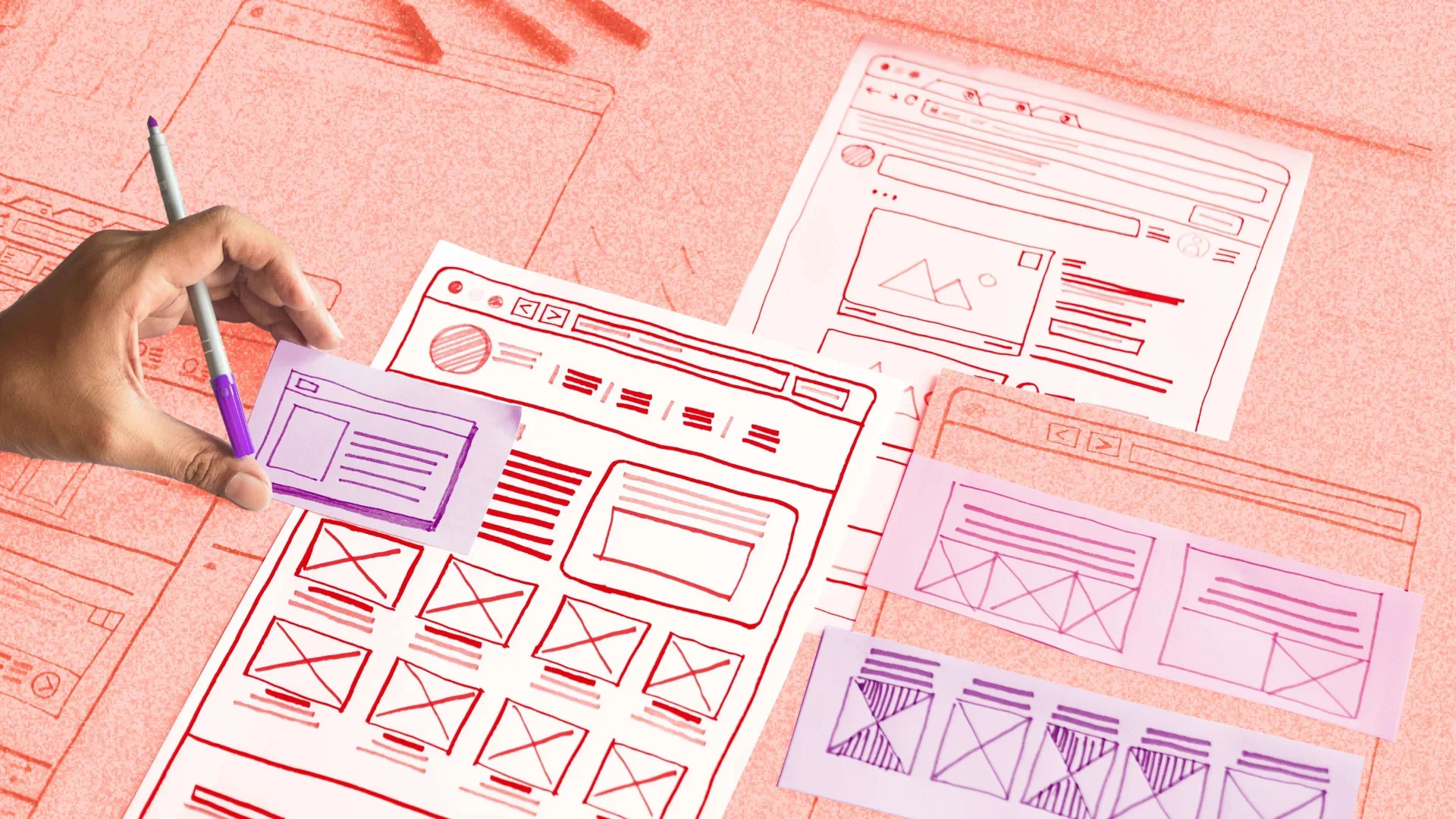
Creating a content and design framework from scratch
As Senior Content Designer at the Royal National Institute for Deaf People (RNID), I worked on the creation of the organisation’s first unified Content and Design Framework.
Prior to this initiative, RNID had minimal central standards or guidelines, resulting in a fragmented website where different departments published content in inconsistent tones of voice, structures, and quality levels.
This created poor user experiences for deaf and hard-of-hearing people who already face significant accessibility barriers when seeking information and support.
The challenges
Lack of consistency in tone, style, structure, and accessibility standards across the site.
Departments working in silos, producing content that reflected individual preferences rather than user needs.
Numerous documented pain points (logged in Miro), including confusing navigation, inaccessible language, outdated information, and inconsistent design patterns.
No shared framework to guide content creation, review, or governance.

Discovery and Stakeholder Engagement
We initiated a comprehensive discovery phase by interviewing multiple internal stakeholders across departments (fundraising, communications, services, policy, and clinical teams). These sessions helped uncover why inconsistencies existed and what each team needed from a new framework.
At the same time, I worked closely with user researchers to analyse existing public feedback, usability testing results, and user interviews. This gave us clear insight into how deaf and hard-of-hearing users experienced the current website. This highlighted issues such as overly complex language, lack of British Sign Language (BSL) integration, and dense text.
Framework Development
Working in close collaboration with truly wonderful people, a Service Designer, Interaction Designer, another Content Designer, and developers, we led the creation of the new framework. Our specific responsibilities included:
Defining a clear RNID Tone of Voice — warm, inclusive, expert but never patronising, and easy to understand.
Establishing Content Standards — plain English guidelines, readability targets (Flesch-Kincaid), accessibility requirements (WCAG), and structured content principles.
Creating Content Templates and Patterns — reusable page templates for common content types (e.g., service pages, advice articles, campaign pages) to ensure consistency.
Developing Governance Processes — a clear content approval workflow, publishing standards, and a central content hub for reference.
Integrating Accessibility and Inclusion — mandatory checks for BSL video options, clear language, and user testing with deaf communities.

Collaboration and Implementation
I facilitated cross-functional workshops to co-create the framework, ensuring buy-in from all departments. We reviewed and categorised all existing pain points from Miro, prioritising them into quick wins and longer-term improvements.
I also produced practical tools such as:
A Content Style Guide
Checklist for new content
Example “before and after” rewrites of legacy pages
Training sessions for content authors across the organisation
Rollout and Adoption
We introduced the framework in phases, starting with high-traffic pages and new content. We also supported teams in migrating and improving older content.
Successes
Created Consistency at Scale: For the first time, RNID had a single source of truth for content and design, dramatically reducing variation in tone of voice and quality.
Improved User Experience: Post-implementation feedback and analytics showed clearer, more accessible content that users found easier to understand and navigate.
Increased Efficiency: Departments moved faster with reusable templates and guidelines, reducing duplication of effort and time spent on revisions.
Strong Cross-Team Collaboration: The project strengthened working relationships between content, design, digital, and service teams. The collaborative way we built the framework created genuine ownership across the organisation.
Governance Foundation: Established ongoing processes that prevented old problems from returning, including regular content audits.
User-Centred Impact: By grounding every decision in user research with deaf and hard-of-hearing people, the framework directly contributed to making vital information more inclusive and accessible.
This work was one of the most impactful projects of my career. Taking a chaotic, inconsistent digital presence and turning it into a coherent, user-focused platform demonstrated the strategic value of strong content design leadership.